“Weight loss pens” or “appetite suppressant pens” are common terms for certain injectable medications administered in pen-like devices. These medications have medical indications and limitations, are not suitable for everyone seeking weight loss, and should not be chosen based solely on the device’s appearance, reviews, or online recommendations.
This article from OPPA SKIN CLINIC compiles basic information about this class of medications, pre-use assessments, risks, and updated dispensing regulations as of 2026 to help readers understand the information before discussing it with a doctor or pharmacist. Detailed usage must adhere to individual prescriptions and treatment plans.
Updated Weight-Loss Pen Regulations Effective September 15, 2026
Effective September 15, 2026, stricter regulations regarding the control of weight-loss pens will be enforced to protect consumer safety. There are two main points that interested parties should be aware of:
A Doctor’s Prescription Is Required Before Dispensing or Injection
Weight-loss pens are regulated and require a prescription from a licensed physician before dispensing or administering any medication, regardless of whether it’s the first dose or subsequent doses. Therefore, those wishing to use these medications cannot purchase them or receive injections from general pharmacies, beauty clinics without a resident physician, or individuals who are not healthcare professionals. They cannot be purchased online without a prescription.
Restrictions on Public Advertising, Brand Names, and Prices
Another important point is the prohibition against advertising or promoting these types of drugs to the public through any channel. This includes prohibiting the mention of brand names or prices in advertising or any content that constitutes promotional activity. This is why this article describes weight-loss pens by classifying them according to their pharmacological mechanisms instead of specifying drug names, and by not including any exact cost information, in order to comply with legal requirements and focus on providing accurate information.
How does this requirement affect those interested in using weight-loss pens?
- You must undergo a medical evaluation before each dose, both the initial dose and each subsequent dose of medication. Doctors cannot issue prescriptions indefinitely in advance.
- It is not possible to buy and store medication for long-term self-injection without medical monitoring along the way.
- Injections should be administered at a legally registered medical facility under the supervision of a qualified physician.
- The sale, dispensing, or provision of this type of injection without a prescription is illegal and poses a safety risk to the user.
- Consumers will not find advertisements specifying the brand or price of these medications from legally compliant medical facilities. If you see such advertisements, you should be suspicious and verify the credibility before deciding to use the service.
H2 What Is a Weight-Loss Injection Pen?
Weight loss pens are a general term for certain injectable medications contained in pen-like devices designed for subcutaneous injection according to a method and dosage prescribed by a physician. Some drug classes mimic or stimulate the action of hormones naturally released by the body after eating, which play a role in hunger, satiety, insulin secretion, and blood sugar control. Originally, GLP-1 drugs were used to manage type 2 diabetes, and later their use in weight management was further studied. Some formulations are indicated for individuals who are obese or overweight with specific health factors. However, not all GLP-1 drugs are indicated for weight management; therefore, each drug and its approved indication must be considered on a case-by-case basis.
How Do Appetite-Control Injections Work?

Some medications commonly called “appetite-control pens” act through receptors involved in appetite and blood sugar regulation, such as GLP-1 receptors. Their mechanism of action may involve satiety signaling, insulin secretion related to blood sugar levels, and delaying gastric emptying, with details varying depending on the specific drug. Explaining the mechanism does not mean that all users will respond the same way, or that medication can replace dietary management and physical activity. Medication has both benefits and risks that must be evaluated based on the indication.
Which Drug Classes Are Used in Weight-Loss Pens?
In pharmacology, weight-loss pens can be divided into two main groups based on their mechanism of action on hormone receptors:
GLP-1 Receptor Agonist group
These medications stimulate receptors for GLP-1 (glucagon-like peptide-1), a hormone naturally released in the intestines after meals. GLP-1 slows gastric emptying and sends satiety signals to the brain. This drug class has been used in weight management for some time and has supporting research.
GIP/GLP-1 Receptor Agonist group
Drugs in this class act by stimulating two receptors simultaneously: GIP (Glucose-dependent Insulinotropic Polypeptide) and GLP-1, and are therefore often called Dual Receptor Agonists. They work by utilizing the synergistic mechanism of these two hormones to control appetite and blood sugar levels. This class of drugs has been further developed and researched in recent years.
How Do the Drug Classes Differ?
| Points of comparison | GLP-1 Receptor Agonist Group | GIP/GLP-1 Receptor Agonist Group |
|---|---|---|
| Receptors targeted | GLP-1 receptors only. | Both GIP and GLP-1 receptors. |
| Main mechanism | Slows gastric emptying and promotes satiety signaling. | Two hormones work together to regulate appetite and blood sugar. |
| Research evidence | An established history of clinical use and research. | More extensive research in recent years. |
| Suitability | Consideration will be given based on an individual assessment by the physician. | Consideration will be given based on an individual assessment by the physician. |
Note: The above information is a general overview based on pharmacological mechanisms. Responses to different drug classes vary from person to person. A physician will select the appropriate medication based on a detailed health assessment, and a prescription will always be issued in accordance with legal requirements.
Who May Be Considered for Weight Management Medication?
Prescription medication depends on the criteria of the approved formulation, such as age, BMI, and certain comorbidities, along with medical history and previous weight management efforts. Having a BMI slightly above the normal range or failing to achieve desired weight loss goals does not automatically qualify you for the medication.
Physicians must assess the expected benefits against the risks, including behavioral modification plans and follow-up. The criteria for one medication should not be applied to all products.
Who might not be suitable for using weight-loss pens?
Contraindications and precautions vary depending on the product, so you should inform your doctor if you have any of the following issues.
- Pregnant, planning to become pregnant, or breastfeeding.
- A previous allergic reaction to the medication or any of its ingredients.
- A personal or family history of certain types of thyroid cancer or related genetic syndromes.
- A history of pancreatitis, gallbladder problems, or gastrointestinal conditions, particularly disorders affecting gastric emptying.
- Kidney disease, liver disease, diabetes, or use of medications that may require adjustment.
- An eating disorder or nutritional concerns that need further assessment.
What Does a Doctor Assess Before Prescribing a Weight-Loss Pen?
Starting the use of weight-loss pens cannot be done immediately based solely on the patient’s wishes. A thorough evaluation is required before issuing a prescription, in accordance with legal requirements. Generally, key issues to evaluate include:
BMI and waist circumference
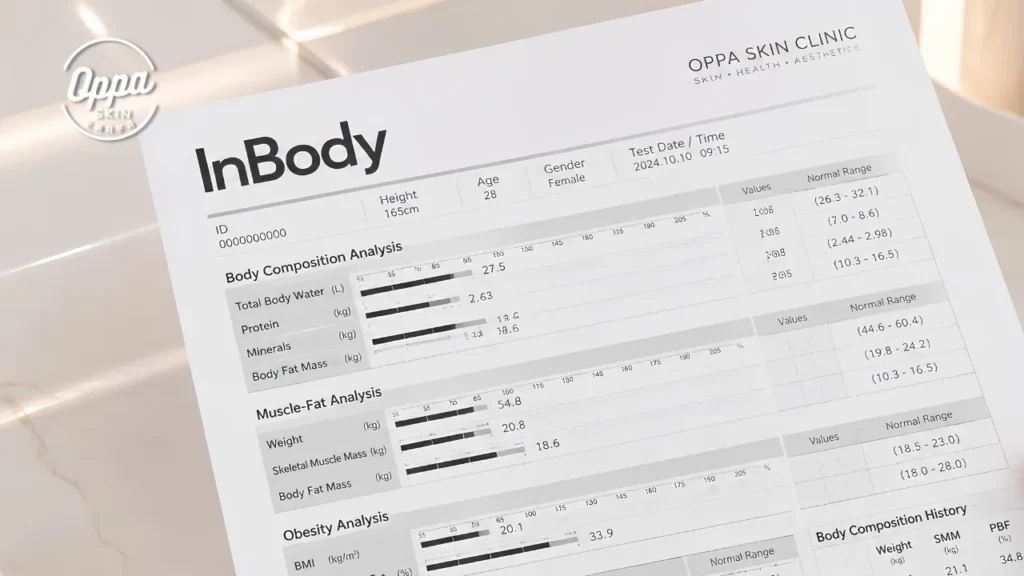
Doctors will begin by assessing your body mass index (BMI) and waist circumference to determine the level of overweight or obesity. They may also consider additional body composition analysis using medical tools such as an InBody machine to check the proportion of fat and muscle mass. This provides more detailed information than just weight alone and helps doctors plan more accurate care.
Underlying medical conditions and medications currently being used
Your doctor will take a medical history, including any pre-existing conditions, surgeries, and a list of current medications or supplements you are using, to assess the risks and potential drug interactions before considering whether you can start using a weight-loss pen.
Eating habits and lifestyle
Your doctor may ask about your eating habits, meal patterns, physical activity, and daily lifestyle to assess the primary cause of overweight and to plan lifestyle modifications in conjunction with medication.
Weight management goals
The doctor will discuss the patient’s goals and expectations regarding the outcome to ensure a shared understanding that the weight-loss pen is a tool to support weight management, not a method that provides immediate or permanent results without ongoing self-care.
How Are Weight-Loss Pens Used, and How Often?
The medication pens mentioned are injected subcutaneously as directed by a physician. Some products are administered daily, others weekly, and devices may have different usage instructions. Patients instructed to self-inject must be taught and understand how to use the product beforehand. Starting, adjusting, or restarting medication after a break must follow the specific medication instructions; do not adjust them yourself, compare the number of clicks between devices, or use online dosage charts instead of prescription instructions.
Where Are Weight-Loss Injections Given?
Popular injection sites for weight-loss pens include the abdomen, outer thighs, and outer upper arms. Doctors usually recommend rotating injection sites each time to reduce the risk of bruising, inflammation, or skin changes at the same injection point. Choosing the right injection site and using the correct injection technique affects drug absorption and patient comfort. Therefore, it is essential to be taught the correct injection technique by a doctor or healthcare professional before attempting to use it yourself.
Possible Side Effects of Weight-Loss Pens
Like all medications, weight-loss pens can cause side effects, the severity and frequency of which vary from person to person. Common side effects include:
- Nausea, vomiting
- Diarrhea or constipation
- Stomach pain, bloating.
- A greater-than-usual reduction in appetite
- Fatigue, headache
These side effects are commonly seen during the initial stages of medication or during dose adjustments and tend to decrease as the body adjusts. However, if severe symptoms occur, such as severe abdominal pain, persistent vomiting, or any other unusual symptoms, you should inform your doctor immediately. Do not continue taking the medication without consulting your doctor. Actual side effects vary from person to person, and your doctor will closely monitor your symptoms throughout the duration of medication use. This is another reason why the law requires continuous medical monitoring, not just a one-time use of medication. Some risks depend on the medication and any concurrent medications, such as hypoglycemia when used with certain blood sugar-lowering drugs. Patients should be advised about warning signs and how to manage their symptoms according to their treatment plan.
How Should Medication Be Combined with Weight Management?
For those prescribed medication, dietary management, physical activity, and monitoring remain part of the treatment plan. A decreased appetite should not be used as a reason for undereating leading to malnutrition.
Adjusting eating habits

It is important to choose nutritious and balanced foods and adjust food portions appropriately. Even if appetite is reduced by the effects of medication, you should still eat enough to meet your body’s daily needs.
Exercise appropriately
Regular exercise supports weight management and maintains muscle mass during weight loss, which is especially important for those using medications that significantly reduce appetite.
Get enough sleep and rest
Insufficient rest affects hormones related to hunger and satiety, as well as the body’s metabolism. Therefore, getting enough sleep is another factor that contributes to more effective weight management.
Continue Monitoring Weight and Body Composition
Monitoring may include weight, waist circumference, diet, fitness, side effects, and indicators of comorbidities. Physicians may consider additional body composition data when appropriate, interpreting it in conjunction with the patient’s physical condition and the type of examination performed. Treatment outcomes should not be judged solely on weight or InBody test results.
Why should weight loss pens be used under a doctor’s supervision?
Weight-loss pens are classified as prescription drugs by law and are not products that can be purchased over the counter. The main reasons they must be used under a doctor’s supervision include:
- Doctors must assess the suitability and contraindications of each individual before prescribing any medication.
- Adjusting the dosage requires close monitoring of symptoms and the body’s response.
- Potential side effects must be evaluated and managed appropriately by a physician.
- Misuse of medication or self-adjusting dosages can pose health risks.
Self-medicating with this type of drug without a prescription is not only illegal, but also risks taking medication that is unsuitable for your physical condition and may lead to missing opportunities to manage potential side effects in a timely manner.
Weight-Loss Pens: Key Takeaways
Weight-loss pens are medications delivered through injection devices that rely on hormonal mechanisms to help control appetite. They may be an option for managing overweight or obesity in individuals assessed as suitable and given a prescription by a doctor. However, weight-loss pens do not yield the same results for everyone and are not a complete substitute for lifestyle changes like diet and exercise. Importantly, from September 15, 2026 onwards, dispensing and administering these medications require a doctor’s prescription by law, and brand names or prices must not be publicly advertised. Therefore, interested individuals should undergo a thorough health assessment by a specialist at a legally registered medical facility, discuss suitability, expectations, and potential risks frankly, and use the medication under a doctor’s supervision continuously for the duration of treatment to ensure safety and the most appropriate results for their individual needs.
Frequently Asked Questions
How long does one weight-loss pen last?
The duration of use for each weight-loss pen depends on the type of medication, concentration, and dosage prescribed by your doctor for each individual, which varies according to the treatment plan. Therefore, you should ask your doctor or pharmacist directly for details when you receive the medication.
What should I do if I forget to inject my weight loss pen?
If you miss a scheduled injection, do not attempt to double the dose or adjust the dosage yourself. Contact your doctor or pharmacist immediately for proper advice, as guidelines may vary depending on the type of medication and the duration of the missed dose.
Is it okay to use a weight-loss pen and drink alcohol?
Always consult your doctor beforehand, as alcohol can affect the digestive system and may increase the risk of certain side effects in those using weight-loss pens. Your doctor will provide appropriate advice based on your individual physical condition.
Can Weight-Loss Pens Be Used with Other Medications?
Using this product in combination with other medications always requires prior evaluation by a doctor, as some medications may interact or affect drug absorption. Patients should inform their doctor of all medications and supplements they are currently taking before starting to use the weight-loss pen.
Can you stop using weight-loss pens immediately?
If you need to discontinue medication as part of your treatment plan, consult your doctor to plan how to monitor your weight, blood sugar levels, and comorbidities. The method of stopping or restarting depends on the medication and the reason for discontinuation; it should not be assumed that all medications always require a gradual reduction in dosage. If you experience any severe adverse reactions, seek immediate evaluation and follow the medication warnings. Do not wait until your next appointment or continue taking the medication to complete the plan.
Back to Articles