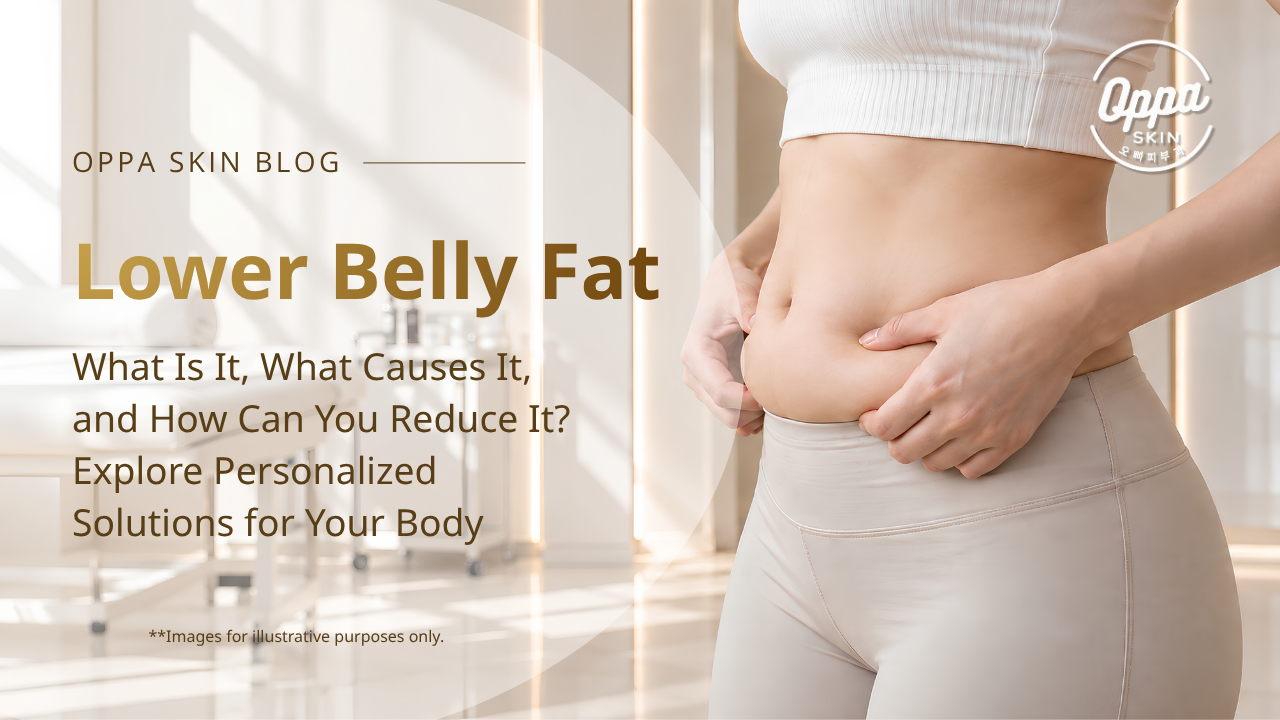
Many people exercise regularly, strictly control their diet, and maintain a normal weight, but when they look in the mirror, they find their lower abdomen still slightly bulging, especially when sitting or wearing tight clothing. This problem is a common reason why many patients consult doctors at clinics, and it’s colloquially known as “lower belly pooch.” Reducing lower belly pooch shouldn’t focus solely on sit-ups or dieting, but should consider body composition, lifestyle, and the underlying causes of the abdominal bulge in each individual.
What Is a Lower Belly Pooch?
A a lower belly pooch (or lower belly fat) is a general term for an area of the lower abdomen below the navel that protrudes or bulges more than other parts of the abdomen. In some people, this area may feel soft to the touch. This is usually associated with subcutaneous fat in the lower abdomen. A lower belly pooch isn’t solely caused by fat accumulation; some individuals may have a protruding lower abdomen even if they don’t have a large amount of fat. This can be due to factors such as weak core muscles, postures that cause pelvic tilt when standing or sitting, bloating, constipation, or changes in the abdominal wall after pregnancy.
What Does a Lower Belly Pooch Look Like?
A lower belly pooch refers to a bulge in the lower abdomen, from below the navel to above the pubic bone, while the waist or upper abdomen may appear normal. When touching the lower abdomen, it feels soft and can be felt in layers, especially if there is accumulated fat. This bulge is often more noticeable when sitting, bending over, or wearing tight clothing. It can occur in both thin individuals with a normal BMI and those who are overweight. If accompanied by bloating or constipation, the abdomen may bulge more at certain times of the day, such as after meals or in the evening, and may subside in the morning.
What Causes a Lower Belly Fat?

In medicine, a protruding belly isn’t caused by a single factor, but rather by a combination of several working together. Doctors typically consider these factors when evaluating each patient, including:
Fat accumulated in the lower abdomen
The abdomen is one of the areas where the body tends to accumulate fat more easily than other parts, especially subcutaneous fat in the lower abdomen. This area responds relatively slowly to overall body fat loss, so it often becomes a point where fat remains even after some overall weight loss.
Eating habits and daily energy intake
Consistently consuming more calories than the body needs, especially foods high in refined carbohydrates, sugar, and fat, directly contributes to fat accumulation throughout the body, including in the abdominal area. Furthermore, habits like eating quickly, eating late at night, or snacking throughout the day are factors that cause the body to receive more stored energy than it expends each day.
Prolonged sitting and lack of physical movement
A lifestyle that involves sitting for long periods or having little physical activity each day results in a decreased overall metabolic rate. Furthermore, prolonged sitting keeps the abdominal muscles in a bent position, preventing them from being fully engaged, which may affect posture and the appearance of the abdomen in the long run.
Muscle mass and core muscle strength
Core muscles, including the abdominal muscles, are responsible for supporting internal organs and maintaining abdominal shape. If these muscles are not strong enough, internal organs and abdominal fat can easily be pushed forward, making the lower abdomen appear bulging even if there isn’t much accumulated fat.
Hormonal and Physical Changes
Changes in hormone levels throughout life, such as in women during the premenstrual period, postpartum, or menopause, can affect fat distribution, potentially leading to increased abdominal fat accumulation at certain times.
Bloating and factors that make the abdomen look bloated
Besides fat and muscle, bloating, gas in the stomach and intestines, or irregular bowel movements are other factors that can temporarily cause the lower abdomen to appear bulging. This is often associated with certain eating habits, such as consuming gas-producing foods or carbonated drinks.
Ways to Reduce a Lower Belly Fat
A lower belly pooch can have several contributing factors, so care should address the relevant causes together.
Adjusting eating habits
Controlling your daily calorie intake to match your body’s energy expenditure, choosing foods high in fiber and quality protein, and reducing foods high in sugar and fat are fundamental to reducing excess fat accumulation in the long term, including around the abdomen.
Do Cardio Exercise Regularly
Regular aerobic or cardio exercise, such as brisk walking, running, cycling, or swimming, helps increase the body’s overall energy expenditure, a key factor in reducing body fat accumulation in the long term, including lower abdominal fat.
Strengthen muscles and core
Strengthening core and abdominal muscles through exercises like planks or various abdominal drills helps build muscle strength, enabling better support of internal organs and maintaining abdominal shape. This contributes to a more toned abdomen in the long term.
Improve Sleep and Manage Stress
Insufficient rest and chronic stress are associated with changes in hormone levels related to fat accumulation, particularly cortisol. Therefore, getting enough sleep and managing stress effectively are crucial factors in overall body shape management.
Localized Fat Management

Even after adjusting eating habits and exercising regularly, if lower abdominal fat remains at an unsatisfactory level, there are several medical technologies that doctors may consider as supplementary options to help manage localized fat and tighten the abdominal area. These include programs such as Ultraformax, which uses sound waves to treat the skin and fat layers; XTherma, which uses heat energy to contour; or Fat Bomb Premium, another option for targeting specific fat deposits. The suitability of each program depends on the individual’s physical condition, so a medical evaluation is necessary before making a decision.
Can Abdominal Exercises Target Lower Belly Fat?
Abdominal exercises such as planks, crunches, leg raises, or reverse crunches strengthen the abdominal and core muscles, resulting in a firmer stomach and better torso support. However, these exercises cannot force the body to use fat solely from the lower abdomen. To reduce belly fat, focus on overall fat loss through diet control, cardio exercise, and consistent full-body muscle training.
Lower Belly Pooch and Localized Fat Care at OPPA SKIN CLINIC
How to reduce a bulging lower abdomen in a way that’s right for you? At OPPA SKIN CLINIC, we start by assessing the cause of a protruding lower abdomen, as each person may have accumulated fat, sagging skin, or other contributing factors. Therefore, choosing a treatment approach requires consideration beyond just the visible shape. The doctor will assess the fat in the areas of concern, skin type, and body proportions, along with body composition information, health history, and the patient’s goals, to create a personalized treatment plan for belly fat. If localized fat accumulation is found, the doctor will consider treatment options, explaining the limitations, potential side effects, and expected outcomes. For those concerned about belly fat or lower abdominal fat, consultations at OPPA SKIN CLINIC are recommended to assess the cause and understand the options before starting a program. We will focus on examining body composition and measured data, in conjunction with a doctor’s examination, instead of using the same method for everyone.
Lower Belly Pooch: Key Takeaways
A lower belly pooch refers to a bulging lower abdomen below the navel, which can occur in thin, normal-weight, and overweight individuals. The causes aren’t solely due to fat; they may also be related to core muscle tone, posture, hormones, bloating, or changes in the abdominal wall. To reduce lower belly pooch, it’s important to focus on basic lifestyle changes such as diet control, regular exercise, full-body and core muscle training, and managing sleep and stress. It’s impossible to directly target specific areas for fat loss. For those who have managed their condition but still experience lower abdominal bulge or localized fat accumulation, a medical evaluation is recommended to determine the underlying cause and develop a treatment plan tailored to their individual needs.
Frequently Asked Questions
Is a lower belly pooch caused solely by fat?
Not always. A bulging lower abdomen or a lower belly pooch can be caused by fat accumulation in the lower abdomen, but in some people, other factors may be involved, such as weak core muscles, postures that cause pelvic tilt, bloating, constipation, and changes in the abdominal wall after pregnancy.
Can Slim People Have a Lower Belly Pooch?
Yes, even skinny people or those with a normal BMI can have a lower belly pooch, because body shape isn’t determined solely by weight, but also by fat distribution, muscle mass, posture, and individual body composition.
How long does it take to get rid of a belly bulge?
There is no single timeframe for weight loss, as it depends on starting fat percentage, genetics, hormones, muscle mass, diet, activity level, sleep, and consistency. For overall weight loss, The CDC states that gradual weight loss of about 1 – 2 pounds, or approximately 0.45 – 0.9 kilograms, per week is more likely to be sustainable than rapid weight loss. However, this figure represents the rate of overall weight change, not specifically the rate of belly fat loss. Some people may notice changes in waist circumference and measurements within weeks, while others may take months, as the areas where fat is lost first vary from person to person.
Back to Articles